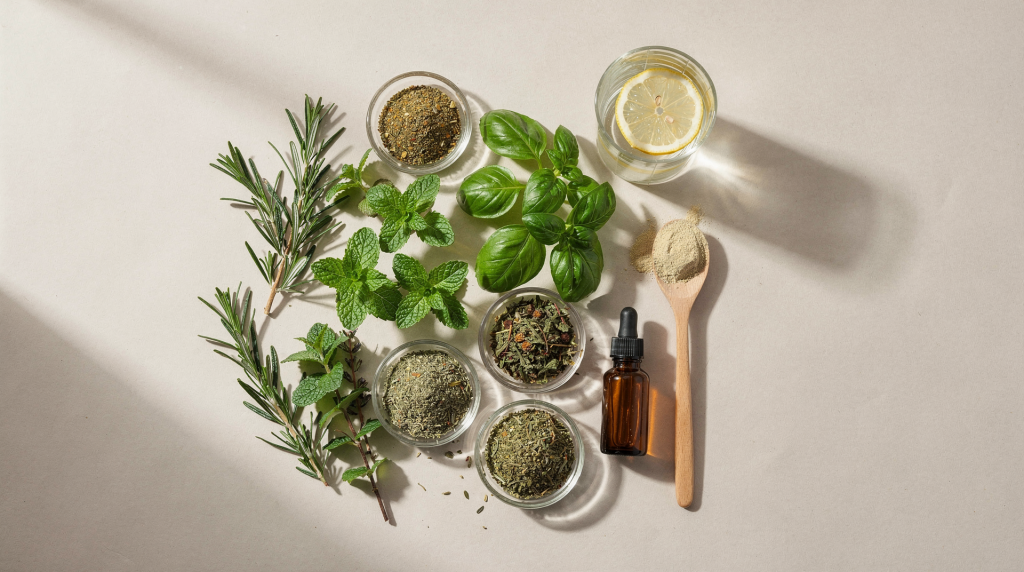
Metabolic wellness is not about a single “miracle herb.” It is about understanding which plant ingredients may support blood sugar balance, insulin sensitivity, appetite control, and overall metabolic health — and which ones are mostly hype. The most useful approach is practical: know what each ingredient may do, what the evidence actually shows, and how to use it safely alongside food, movement, sleep, and medical care. Just as you wouldn’t buy a home based on a glossy brochure alone, you shouldn’t choose a supplement without looking past the marketing. Both decisions shape your long-term vitality, and both reward a curious, skeptical eye.
What “metabolic wellness” actually means
Metabolic wellness usually refers to how well the body handles energy. In plain English, it includes:
- Stable blood sugar after meals
- Healthy insulin response
- Balanced appetite and cravings
- Normal triglycerides and cholesterol
- Healthy waist circumference and body composition
- Steady energy without dramatic crashes
Herbal ingredients are not stand-alone treatment for diabetes or metabolic syndrome. The best public health guidance says that for most supplements, there is not enough evidence to prove a reliable benefit for diabetes or its complications. Still, some herbs and plant compounds show promising effects in studies, especially when used as part of a broader lifestyle plan. Think of them like the quiet street or the extra natural light in a home: they can nudge your health in the right direction, but they won’t compensate for a fundamentally unhealthy environment or routine.
The herbs most often discussed for blood sugar support
Several ingredients come up again and again in metabolic wellness formulas. The key is not just naming them, but knowing what the evidence suggests.
| Ingredient | Common use | What the evidence suggests | Main caution |
|---|---|---|---|
| Cinnamon | Blood sugar support | May reduce fasting blood glucose and insulin resistance in some people | Can interact with medications; cassia varieties may be high in coumarin |
| Berberine | Glucose and metabolic support | Often shows blood sugar benefits in studies, but should be treated like a potent compound, not a casual spice | Can interact with many medications |
| Fenugreek | Post-meal glucose support | Some human studies show consistent benefits for fasting blood sugar | May cause GI upset and affect medication response |
| Bitter melon | Traditional blood sugar herb | Frequently used in metabolic formulas; evidence is mixed, but it remains a common option | Risk of low blood sugar in combination with diabetes meds |
| Gymnema | Sugar cravings and glucose support | Commonly included in blood sugar blends; human evidence is still limited overall | Safety and dosing are not standardized |
| American ginseng | Glycemic support | One of the better-supported herbs in older systematic reviews | Can affect blood sugar unpredictably |
| Nopal / prickly pear | Glucose and fiber support | Promising for some metabolic markers, partly due to fiber content | Digestive effects are common |
| Psyllium | Satiety and glucose moderation | Not a “metabolic herb” in the strict sense, but useful for post-meal blood sugar support | Must be taken with enough water |
| Garlic | Cardiometabolic support | May help overall heart-health markers more than direct glucose control | Can interact with blood thinners |
What the evidence says in practical terms
A lot of supplement marketing makes herbs sound more decisive than they are. The reality is more nuanced — much like the difference between a staged open house and the actual lived experience of a neighborhood.
- Cinnamon has some of the most commonly cited human data, including a review suggesting lower fasting glucose and improved insulin resistance in people with prediabetes and type 2 diabetes.
- Fenugreek appears more consistent than many other botanicals in lowering fasting blood sugar or HbA1c in clinical studies.
- Ginseng has shown modest improvements in fasting blood glucose in meta-analytic data, though it is not a cure and does not work the same way for everyone.
- Some herbs look promising in lab or animal research but have weak or inconsistent human evidence.
- Major diabetes-focused organizations do not recommend relying on herbal supplements as primary treatment because safety, quality, and effectiveness are not established well enough.
A useful rule: if an ingredient sounds dramatic but the label has no standardization, no dosage clarity, and no mention of interactions, treat it as a wellness product — not a metabolic solution. The same discernment applies when a real estate listing promises “serene living” but fails to mention the highway noise or the lack of sidewalks.
How these ingredients may work
Herbal ingredients can support metabolism through a few different pathways:
- Improving insulin sensitivity, so cells respond better to insulin
- Slowing carbohydrate absorption after meals
- Reducing cravings or appetite through bitterness, fiber, or satiety effects
- Supporting gut health, which may indirectly affect glucose regulation
- Providing antioxidant or anti-inflammatory compounds
This matters because metabolic wellness is not only about sugar intake. Stress, sleep, inactivity, and highly processed foods all affect how the body handles glucose. That is why herbs tend to work best as part of a larger routine, not alone. It’s also why the spaces we inhabit — homes that encourage movement, kitchens that invite cooking, neighborhoods that lower chronic stress — can quietly amplify or undermine what any supplement tries to do.
Choosing ingredients based on your goal
Different ingredients fit different goals. Use this as a practical filter, much like you’d match a home’s features to your non-negotiables: a big yard for gardening, a quiet street for deep sleep, a walkable town for daily movement.
If your main issue is post-meal spikes
- Cinnamon
- Fenugreek
- Psyllium
- Nopal
If your main issue is cravings
- Gymnema
- Bitter herbs
- Psyllium
If you want broad metabolic support
- Berberine
- Ginseng
- Fenugreek
- Cinnamon
If you are focused on digestive tolerance
- Start with fiber-based options like psyllium or foods rich in soluble fiber
- Be cautious with bitter or highly concentrated extracts
How to read a supplement label
Many people buy a product based on the front label and ignore the part that matters most — similar to falling for curb appeal without inspecting the foundation. Check these details first:
- The exact botanical name
- Whether it is an extract or powdered herb
- The standardization, if listed
- The serving size per capsule or scoop
- The suggested daily dose
- The warning section
- Third-party testing or quality certification
Red flags on labels
- “Proprietary blend” with no amounts listed
- Huge claims like “balances blood sugar naturally” without context
- No botanical species name
- No mention of interaction warnings
- More than 10 ingredients with tiny doses of each
Safety matters more than hype
Herbal ingredients can be useful, but they are not risk-free. This is especially important if you take prescription medication for diabetes, blood pressure, cholesterol, or blood thinning. Just as you’d never skip a home inspection to save time, don’t skip the safety research on a supplement.
Key safety concerns
- Some herbs can lower blood sugar too much when combined with medication
- Some products may vary in strength from batch to batch
- Some herbs can irritate the stomach or cause loose stools
- Some ingredients may affect liver enzymes or drug metabolism
- Some “natural” products are contaminated, adulterated, or inaccurately labeled
Extra caution if you are:
- Pregnant or breastfeeding
- Taking insulin or glucose-lowering medication
- Managing kidney or liver disease
- Taking anticoagulants or antiplatelet drugs
- Preparing for surgery
A simple way to use herbal ingredients wisely
If you want to test a herbal ingredient for metabolic wellness, keep the process controlled. Think of it as a deliberate experiment — not unlike noticing how your sleep, mood, and energy shift after moving to a quieter, greener setting.
Step-by-step approach
- Pick one ingredient at a time.
- Choose a product with clear labeling and quality testing.
- Start with the lowest reasonable serving size.
- Track fasting glucose, post-meal response, energy, and digestion.
- Give it enough time to evaluate.
- Stop if side effects appear or if blood sugar drops unexpectedly.
- Review results with a clinician if you take medication.
What to track
- Fasting blood sugar
- 1- to 2-hour post-meal blood sugar
- Cravings between meals
- Energy crashes
- Digestive tolerance
- Sleep quality
- Waist measurement over time
Lifestyle still does the heavy lifting
Herbs may support metabolic wellness, but the foundation is still lifestyle. The most effective routine usually includes:
- Protein and fiber at each meal
- Regular walking after meals
- Resistance training or active strength work
- Consistent sleep schedule
- Stress reduction
- Fewer ultra-processed foods
- Enough hydration
This is where the broader “environment as medicine” idea matters. A calmer home, access to outdoor movement, natural light, and less chronic stress can improve the same metabolic markers people often try to chase with supplements. When you live in a place that invites you to walk after dinner, that offers a quiet bedroom for deep sleep, and that reduces the low-grade tension of noise and congestion, you’re already doing something profound for your blood sugar — no capsule required. The right home becomes a silent partner in your metabolic health, day after day.
Common mistakes people make
- Treating herbs like a replacement for medication
- Using five or six supplements at once and not knowing what helps
- Expecting fast results after a few days
- Ignoring dosage and standardization
- Choosing products based on marketing instead of evidence
- Not checking for interactions with prescriptions
When to talk to a professional
Get medical advice before using herbal ingredients for metabolic wellness if:
- You have diagnosed diabetes or prediabetes
- Your glucose readings are unstable
- You take medication that can lower blood sugar
- You have liver, kidney, or heart conditions
- You want to combine multiple supplements
FAQ
Are herbal ingredients enough to manage blood sugar?
No. For most people, they may be a support tool, but not a primary treatment. The same way a beautiful view can lower stress but won’t replace medical care, herbs work best as part of a larger, doctor-guided plan.
Which herbal ingredient has the best support?
Cinnamon, fenugreek, and ginseng appear often in the research, but results vary and none is a universal fix. It’s less about finding the “best” and more about finding what fits your specific metabolic picture — and your tolerance.
Can I take herbal supplements with diabetes medication?
Sometimes, but only with professional guidance. Some herbs can increase the risk of low blood sugar. This is not a decision to make alone, any more than you’d self-diagnose a structural issue in a house you’re buying.
Are teas as effective as supplements?
Usually not. Teas may provide a milder effect, while concentrated extracts are stronger and carry more interaction risk. The form matters as much as the ingredient itself.
What is the safest first step?
Start with food-based changes, then consider one well-labeled ingredient at a time, while monitoring your response. Slow, observant, and intentional — the same approach that leads to a wise home purchase.
Final takeaway
Herbal ingredients can play a supporting role in metabolic wellness, but they work best when used carefully and realistically. The strongest approach is not chasing the most exotic supplement — it is choosing one ingredient with some evidence, using it safely, and pairing it with the daily habits that actually move metabolic health forward. And just as importantly, it’s recognizing that the places we live — the air we breathe, the light we wake to, the streets we walk — are not separate from our health. They are the backdrop against which every supplement, every meal, and every habit either thrives or falls flat. Choose your herbs with scrutiny, but choose your environment with even more care.