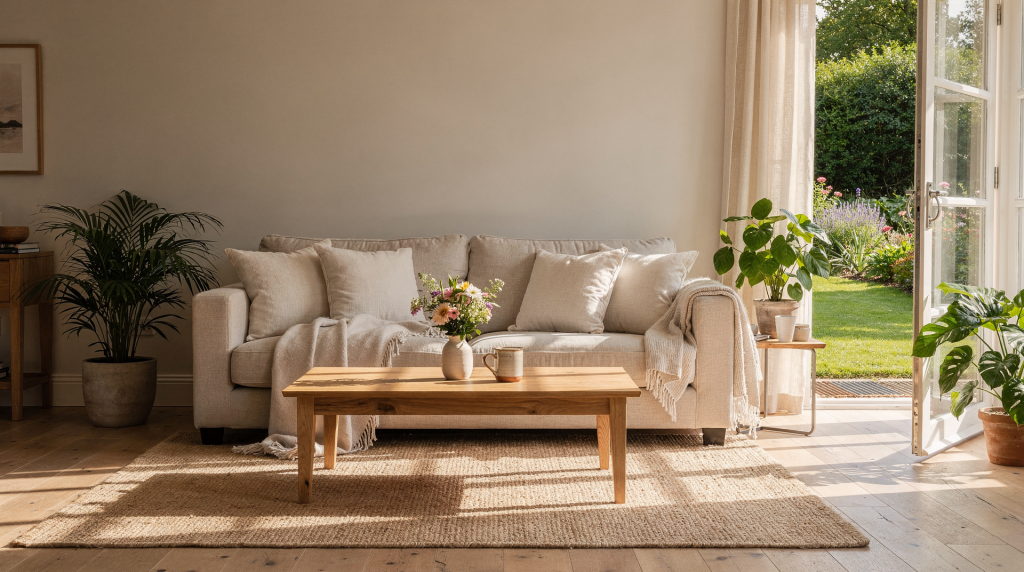
A healthy country home does far more than charm the eye or offer extra acreage. It actively supports cleaner air, deeper sleep, stable temperatures, controlled moisture, and daily rhythms that make life feel calmer and more effortless. In practice, this means paying close attention to the site, layout, materials, ventilation, daylight, and how the property manages water, noise, and access to the outdoors. Just as we’ve learned to scrutinize every ingredient that enters our body, the same discernment belongs to the spaces where we spend our hours—because environment is one of the most underrated medicines we have.
Why a country home feels different from a city house
Country homes typically offer more room, greater privacy, and a tangible closeness to nature. That can elevate comfort dramatically, but it also introduces a different set of health risks and opportunities. A rural setting may deliver cleaner outdoor air and far less noise, yet it can also bring humidity challenges, pests, well water concerns, septic system demands, or significant temperature swings if the house is poorly insulated. The healthiest country homes aren’t the ones that ignore these trade-offs—they’re the ones that balance them with care. It’s a bit like personalized nutrition: there’s no one-size-fits-all formula, only what works for your specific environment and body.
The core pillars of a healthy country home
A truly comfortable rural home almost always gets these fundamentals right. Each one isn’t just a technical checkbox—it’s a direct contributor to how you feel every single day:
- Fresh indoor air
- Controlled moisture
- Good daylight
- Stable temperature
- Low-toxicity materials
- Quiet, restorative spaces
- Safe access to the outdoors
- Reliable water and waste systems
If even one of these pillars is neglected, the home may look beautiful but still feel draining, damp, stuffy, or subtly exhausting to live in. Over time, that background discomfort can chip away at energy, focus, and metabolic resilience—much like a diet that’s missing key nutrients.
1. Fresh air and strong ventilation
Indoor air quality shapes how a home feels from the moment you walk in. A country house should bring in enough fresh air to dilute pollutants, cooking fumes, off-gassing from furnishings, and excess humidity. When the air is right, you notice it as a sense of lightness and clarity—not unlike the steady mental focus that comes with balanced blood sugar.
Look for:
- Windows that open easily in multiple rooms
- Bathroom exhaust fans vented outside
- A kitchen range hood that actually removes cooking fumes
- Whole-house ventilation if the home is newer and tightly sealed
- No musty smell when you walk in
A simple habit matters too: airing the home out regularly. Even a short burst of fresh air can reduce stale indoor air and humidity, and it’s a practice I’ve come to rely on as much as any morning ritual.
Common ventilation mistakes
- Fans that recirculate air instead of venting it outside
- Closed-off rooms with no airflow
- Plugged vents or blocked returns
- Assuming “new” means “healthy” without checking ventilation
2. Moisture control and mold prevention
Moisture is one of the fastest ways a country home becomes uncomfortable—and unhealthy. Damp basements, leaky roofs, poor drainage, or condensation around windows can create mold, musty odors, and long-term structural damage. I’ve seen too many cases where chronic fatigue or allergy-like symptoms were traced back to hidden mold, not to a personal health issue. A healthy home keeps indoor humidity in a comfortable range, generally around 30% to 60%. If humidity stays too high, mold and dust mites thrive; if it stays too low, the air feels dry and irritating, which can stress respiratory tissues.
Signs of a moisture problem
- Peeling paint or bubbling drywall
- Condensation on windows
- Musty odors in closets, basements, or crawlspaces
- Water stains on ceilings or around vents
- Soft flooring near bathrooms, kitchens, or entry points
- Visible mold, even if it seems small
What to check outside the house
- Grading that slopes away from the foundation
- Clean gutters and working downspouts
- No pooling water near the home
- Proper drainage around porches, patios, and basement walls
- Roof condition, especially around valleys and flashing
Moisture problems in country homes often start outside and show up inside later. Think of it as the home’s “gut health”—if the exterior isn’t managing water well, the interior will eventually suffer.
3. Daylight that supports energy and mood
Natural light matters more than many buyers realize. Bright rooms tend to feel cleaner, larger, and more inviting, but the benefits go deeper. Good daylight helps anchor your circadian rhythm, supporting healthy sleep-wake cycles, mood regulation, and even metabolic function. Morning light in the bedroom isn’t just a design preference—it’s a biological signal that sets the tone for the entire day.
Look for:
- Well-placed windows in living spaces
- Unblocked southern or eastern exposure where possible
- Light-filled kitchens and work areas
- Window sizes that match the room, not just the exterior style
- No deep, dark hallways that make the home feel closed in
A dark, heavily shaded house can still be cozy, but it may feel less energizing and more dependent on artificial lighting during the day. Over time, that can subtly dampen motivation and alertness—something I’ve observed both in my own transitions and in clients who moved from bright urban apartments to heavily treed rural lots without enough window area.
4. Temperature stability and thermal comfort
A healthy country home should not swing wildly between too hot and too cold. Comfort depends on insulation, airtightness, HVAC design, window quality, and shading. When your body has to constantly adapt to temperature fluctuations, it’s a low-grade stressor that can interfere with sleep quality and daytime energy—similar to how unstable blood sugar creates energy crashes. Good thermal comfort usually means:
- Even temperatures from room to room
- Few drafts near windows and doors
- Floors that do not feel excessively cold in winter
- Bedrooms that can stay cool enough for sleep
- Attics and crawlspaces that are properly insulated and sealed
Red flags
- One room is always freezing
- Upstairs gets unbearably hot in summer
- The HVAC runs constantly but never feels effective
- You can feel outdoor air leaking through doors or trim
- The home relies on too many space heaters or window units
In a country setting, large windows and scenic views are appealing, but they should not come at the cost of comfort or energy waste. The goal is an envelope that works with the climate, not against it.
5. Low-toxicity materials and finishes
Healthy homes are built and finished with materials that don’t release unnecessary pollutants into the air. This is especially important in country homes, where people often expect cleaner living conditions. We’re meticulous about avoiding artificial additives in our food, yet we can overlook the fact that cabinets, paints, and flooring may be off-gassing volatile organic compounds (VOCs) for months or even years. Pay attention to:
- Paints and sealants
- Flooring and underlayment
- Cabinets and composite wood products
- Adhesives, stains, and finishes
- Recent renovations with strong chemical odors
Better choices include:
- Low-VOC or no-VOC paints
- Low-emission flooring and adhesives
- Exterior-grade pressed wood products when wood composites are needed
- Materials installed with good ventilation during and after construction
A common mistake is assuming a home is healthy because it uses “natural” materials somewhere. The real question is what those materials are doing to indoor air once they’re installed. I’ve walked into newly renovated farmhouses that smelled more like a chemistry lab than a sanctuary—and that’s a red flag no view can compensate for.
6. Quiet that actually restores you
One of the biggest benefits of a country home is lower noise. Quiet supports sleep, concentration, and stress recovery. But rural homes are not always quiet in the way buyers expect. Sound travels differently across open land, and unexpected sources can intrude. Watch for:
- Highway noise carried by open land
- Neighboring farm equipment
- Dogs, livestock, or roosters
- Wind exposure on an open ridge
- Noise from pumps, HVAC units, or generators
Healthy quiet is not total silence
The goal is not absolute silence. It is having a sound environment that feels calm, predictable, and easy on the nervous system. A home with good insulation, sealed windows, and thoughtful room placement will usually feel much more restful than one that depends only on acreage for peace. After years of city noise, I was surprised to find that the most restorative quiet came not from isolation, but from a well-designed home that buffered the occasional distant tractor or wind gust into a gentle, unobtrusive backdrop.
7. Outdoor access that invites movement
A country home becomes healthier when the outdoors is easy to use. That means you’re more likely to walk, garden, stretch, play with children, or simply spend time outside every day—habits that directly support metabolic health and mental clarity. The best properties make stepping outside feel natural, not like an expedition. Look for:
- A safe, usable entry from the house to the yard
- Space for walking paths, garden beds, or sitting areas
- Shade in hot climates
- Dry ground that is not constantly muddy
- Safe lighting near doors, steps, and driveways
- Outdoor spaces that feel usable in more than one season
When outdoor access is frictionless, movement becomes woven into your day rather than scheduled. That’s the kind of passive health boost that no supplement can replicate.
8. Clean water and waste systems
In rural areas, water and wastewater systems matter as much as the house itself. A beautiful property can become a headache if the well, septic system, or drainage setup is failing. Just as we filter and test what we drink, the entire home’s water supply deserves the same scrutiny. Check for:
- Water test results, especially if the home uses a private well
- Water pressure and flow consistency
- Odors, staining, or sediment in sinks and tubs
- Septic inspection history
- Drainage away from septic fields and low-lying areas
If you’re buying rural property, this is not the place to guess. Water quality and waste management affect health, comfort, and long-term costs in ways that aren’t always visible during a quick walkthrough.
Healthy country home checklist
When you tour a property, keep this quick checklist in mind. It helps you stay focused on what actually influences daily wellbeing, not just what photographs well:
- The home smells clean, not musty or perfumed to cover odors
- Windows open smoothly and rooms feel ventilated
- Bathrooms and kitchen vent outdoors
- No visible mold, stains, or condensation problems
- Floors, walls, and ceilings show no sign of chronic dampness
- The house feels comfortable in multiple seasons
- Natural light reaches main living spaces
- Materials and finishes do not give off strong chemical smells
- Outdoor spaces are easy to access and use
- Water, septic, and drainage systems have been checked
What buyers often overlook
These are the mistakes that surface again and again, often because emotion overrides practical evaluation—much like falling for a fad diet that ignores your body’s real needs:
- Focusing on acreage while ignoring the house envelope
- Falling in love with a view and missing drainage problems
- Assuming “country air” means the indoor air is healthy
- Not checking humidity, mold, or ventilation
- Forgetting that older rural homes may need major insulation or HVAC upgrades
- Underestimating the cost of well and septic maintenance
- Ignoring where the sun hits the house in winter and summer
A country home should support your health every day, not just look good on weekends. The most charming farmhouse can become a burden if these fundamentals are ignored.
Simple ways to improve an existing country home
If the home is already yours, start with the highest-impact changes. Small, strategic upgrades often improve comfort faster than cosmetic renovations—and they tend to pay dividends in how you feel each morning:
- Fix leaks and drainage first.
- Improve ventilation in kitchens, bathrooms, and laundry areas.
- Test and control humidity.
- Seal drafts and upgrade insulation where needed.
- Replace high-emission finishes during remodels.
- Add daylight with better window treatments and room use.
- Make outdoor spaces easier to enjoy daily.
These steps mirror the way we might tweak a nutrition plan: address the foundations, and the rest often falls into place.
Healthy country home comparison
| Feature | Healthy version | Common problem |
|---|---|---|
| Air quality | Fresh airflow, vented fans, low odors | Stale air, trapped fumes |
| Moisture | Dry basement, controlled humidity | Musty smell, mold, condensation |
| Light | Bright main rooms, morning sun | Dark interiors, heavy dependence on lamps |
| Temperature | Even comfort year-round | Drafts, hot upstairs, cold floors |
| Materials | Low-emission finishes | Strong chemical odors after renovation |
| Outdoor access | Usable yard, paths, shade | Muddy, awkward, or unused exterior |
| Water/waste | Tested well, maintained septic | Unknown quality or failing systems |
FAQ
What is the most important thing in a healthy country home?
Moisture control and ventilation usually matter most because they affect mold, air quality, and overall comfort. If these aren’t right, other improvements won’t fully deliver.
Are older country homes unhealthy?
Not automatically. Older homes can be very healthy if they are dry, well ventilated, and properly maintained. The biggest risks are usually hidden moisture, outdated ventilation, and poor insulation—all of which can be addressed.
How do I know if a home has good indoor air?
Look for opening windows, exhaust fans vented outside, no musty smell, and no visible signs of dampness or mold. If the air feels stale or overly scented, that is a warning sign that ventilation may be inadequate.
Is natural light really that important?
Yes. Bright homes usually feel better to live in and are easier to keep active, alert, and comfortable during the day. The effect on circadian rhythms also supports sleep quality and metabolic health.
Should I test a rural home for water issues?
Yes. If the property uses a private well or septic system, test and inspect them before buying. These systems directly affect health and long-term costs, and assumptions can be expensive.
Final takeaway
A healthy and comfortable country home is not just scenic or spacious. It is dry, breathable, well lit, thermally stable, low in toxins, and easy to live in day after day. When those basics are in place, the home supports better rest, lower stress, and a more active outdoor lifestyle—the kind of foundation that makes every other wellness habit easier to sustain. If you want a country home that truly feels good to live in, judge it first by how it performs, not just by how it looks. The right environment is one of the most powerful health investments you can make.