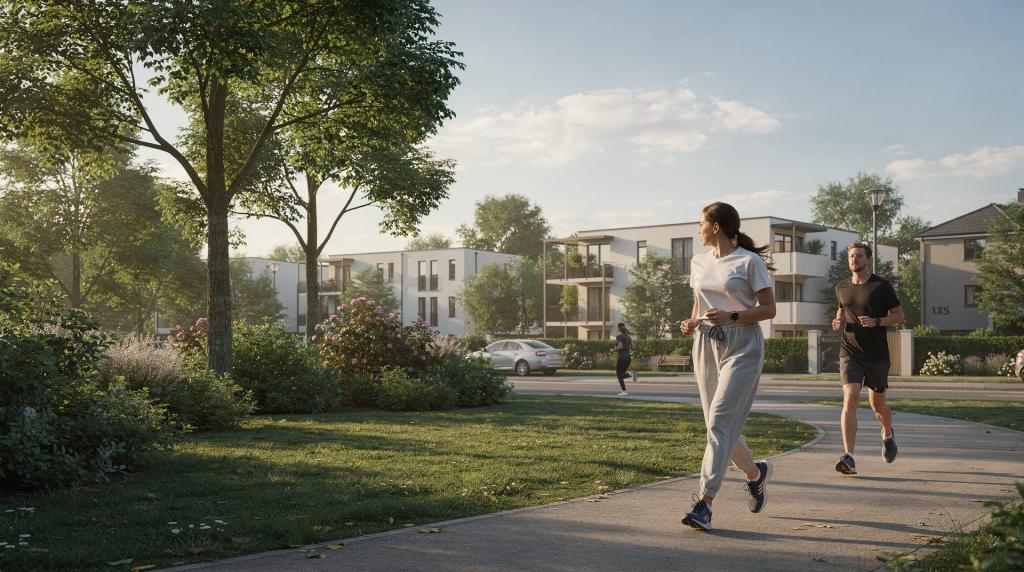
The connection between where we live and how our bodies process energy runs deeper than most people realize. After years of studying how diet, plant-based nutrition, and natural supplements influence blood sugar and metabolic markers, I’ve come to see environment as one of the most overlooked pieces of the puzzle. Research consistently shows a meaningful association between access to green space and a lower risk of obesity, type 2 diabetes, metabolic syndrome, and healthier fasting glucose levels. But it’s not a magic fix. Green space works best when it becomes part of a broader lifestyle—one where movement, stress reduction, sleep, and healthier routines feel less like effort and more like a natural rhythm. In that sense, choosing a home near nature is as much a health decision as choosing what you put on your plate.
What “metabolic health” really means
Metabolic health isn’t just the absence of a diagnosis—it’s the body’s ability to efficiently regulate energy. In practical terms, that means maintaining healthy blood glucose levels, a responsive insulin system, stable blood pressure, healthy triglycerides and cholesterol, and a waist circumference and body weight that don’t signal underlying dysfunction. When any of these markers start trending in the wrong direction, the risk of type 2 diabetes, cardiovascular disease, and metabolic syndrome climbs. What’s fascinating is how the environment we live in can quietly nudge each of these parameters through the daily habits it encourages or discourages.
Why green space may help
Green space supports metabolic health through several interconnected pathways, and the beauty is that they reinforce each other:
- More physical activity: Parks, trails, and tree-lined streets naturally invite walking, jogging, cycling, and outdoor play. When movement feels pleasant rather than forced, consistency skyrockets.
- Lower stress: Natural environments are linked with reduced cortisol levels and a calmer nervous system. This matters because chronic stress can worsen blood sugar regulation, increase insulin resistance, and drive cravings for high-calorie foods.
- Better air quality and less noise: Greenery helps filter air pollutants and dampens traffic noise—both of which are known to place extra physiological strain on the body, contributing to systemic inflammation and poorer cardiometabolic outcomes.
- Stronger daily routines: People who live near nature tend to spend more time outdoors, move more often, and recover faster from sedentary stretches. Over time, these micro-habits compound.
These effects are additive. Green space doesn’t lower glucose directly the way a medication might, but it creates the conditions that make metabolic health easier to sustain. It’s the difference between constantly fighting your environment and having it work quietly in your favor.
What the research says
Several reviews and long-term studies point in the same direction, even if the evidence base isn’t flawless. One long-term study found that greater residential greenspace was linked with a lower risk of metabolic syndrome—including lower odds of high fasting glucose, large waist circumference, high triglycerides, low HDL cholesterol, and hypertension. A recent meta-analysis echoed these findings, showing that greater access to green space was associated with lower odds of diabetes, obesity, and hypertension. Reports from the World Health Organization highlight benefits such as improved cardiovascular health, healthier behavior patterns, reduced stress, and lower exposure to air pollution and noise. An updated umbrella review confirmed associations between green space exposure and lower incidence of diabetes and metabolic syndrome, while noting that the evidence still has heterogeneity and isn’t fully conclusive.
The key word is associated. Most studies are observational, so they reveal patterns but can’t prove that green space alone causes better metabolic health. For anyone accustomed to evaluating nutrition science, this landscape feels familiar: we often see strong, biologically plausible correlations without the luxury of randomized controlled trials. Still, the consistency across studies is hard to ignore.
Table: How green space may affect metabolic health
To understand the practical mechanisms, here’s a breakdown of the main pathways through which nearby nature can influence metabolic outcomes:
| Pathway | What may happen | Why it matters |
|---|---|---|
| Physical activity | More walking, cycling, and outdoor movement | Supports weight control, insulin sensitivity, and glucose utilization |
| Stress reduction | Lower stress response and improved mood | Chronic stress can disrupt blood sugar regulation and appetite control |
| Air quality | Reduced exposure to pollution | Pollution is linked with worse cardiometabolic outcomes and systemic inflammation |
| Sleep and recovery | More daylight exposure, calmer surroundings, better routines | Quality sleep supports appetite hormones and glucose balance |
| Social connection | More casual social contact outdoors | Social support improves consistency and buffers against stress |
How strong is the effect?
The effect is usually modest, not dramatic. Living near a park won’t cancel out a highly sedentary lifestyle, chronic sleep deprivation, or a high-sugar diet. But it can make healthier behavior easier to repeat, and that’s where the benefit compounds over months and years. Think of it this way: green space is a helper, not a cure. Environment shapes habits, and habits shape metabolic outcomes. That’s why the healthiest housing choice is often the one that makes regular movement, lower stress, and better daily rhythms feel natural rather than like another chore. Just as with nutrition, sustainable lifestyle shifts matter most—and your surroundings can be a powerful catalyst.
Who may benefit most
Living near green space may be especially valuable for certain groups. People with prediabetes or insulin resistance can gain from an environment that gently encourages daily movement and stress relief. Adults trying to lose weight sustainably often find that outdoor access makes physical activity less of a scheduled task and more of a seamless part of the day. Older adults looking to preserve mobility and metabolic function benefit from safe, walkable spaces. Families with children need easy access to outdoor play for healthy development. Those whose work keeps them indoors most of the day get a counterbalance to sedentary hours. And anyone under chronic stress who struggles to stay consistent with exercise may find that nature helps lower the barrier to entry.
The World Health Organization also notes that green space interventions can be particularly beneficial for lower socioeconomic groups, where access to safe, usable outdoor areas is often limited. For these communities, proximity to nature isn’t just a pleasant amenity—it’s a critical piece of health equity.
What counts as “good” green space?
Not all greenery is equally useful. A patch of grass behind a parking lot doesn’t offer the same benefits as a thoughtfully designed, walkable environment. What you’re really looking for is a space that invites you in and makes it easy to stay. Prioritize safe sidewalks or trails, ample shade and tree cover, benches and places to rest, low traffic noise, clean and well-maintained paths, room for walking, cycling, or outdoor exercise, and proximity to home so that using it feels realistic, not like a special trip. In nutrition, we pay attention to the quality and bioavailability of nutrients—here, it’s the quality and usability of the space that determines its health impact. A well-kept park with mature trees and benches will serve you far better than an overgrown lot that feels unsafe or inaccessible.
Practical checklist: How to evaluate a home for metabolic wellness
Before buying or renting, run through these questions. They’re designed to reveal whether a location will support—or quietly undermine—your metabolic health over time:
- Can I walk outside safely most days?
- Is there a park, trail, or open space within easy reach?
- Would I realistically use it before or after work?
- Is the area quiet enough for genuine stress relief?
- Is air quality likely better than my current location?
- Would my family use the space regularly?
- Can I picture this environment supporting my daily routine?
If the answer to several of these is yes, the location may actively support better long-term health behaviors. This checklist is a tool for intentional decision-making, much like reading a nutrition label before you buy.
Common mistakes people make
It’s easy to overestimate the impact of greenery or to focus on the wrong things. One common mistake is assuming any green area is enough—when in reality, a scenic view from a window does little if you can’t safely walk to it. Confusing pretty landscapes with usable outdoor access is another pitfall. Ignoring walkability and safety can turn a theoretically healthy location into one that keeps you indoors. Expecting a move alone to fix blood sugar issues overlooks the fact that environment enables habits but doesn’t replace them. And choosing a home far from nature because it’s cheaper or more convenient, then never building outdoor routines, is like opting for empty calories over nutrient-dense food—short-term savings can carry long-term health costs. The real benefit comes from living in a place that makes healthy behavior friction-light.
How to use green space for better metabolic health
If moving isn’t on the table, the goal shifts to increasing your exposure to nature right where you are. Even small, consistent changes can tip the balance, much like adding more whole plant foods to your diet without overhauling everything at once.
Simple weekly actions
- Walk in a park 3–5 times per week.
- Take phone calls outside whenever possible.
- Eat one meal outdoors if weather allows.
- Choose green routes instead of busy roads for errands or commutes.
- Schedule a regular weekend nature walk and protect that time.
- Keep windows open when air quality is good to let in fresh air and natural sounds.
- Add indoor plants and maximize natural light to bring elements of nature inside.
These are modest steps, but repeated exposure to nature can meaningfully support stress control and movement consistency—two pillars of metabolic health.
Limitations to keep in mind
There are real limits to what the evidence can tell us. Many studies are observational, not experimental, so they can’t establish causation. Results vary by age, location, and how green space is measured. Green space alone cannot offset a poor diet, inactivity, sleep loss, or unmanaged stress. In some areas, green space may exist but be unsafe, poorly maintained, or difficult to access, which negates many of the potential benefits. So the most accurate, honest answer is this: yes, living near green space can improve metabolic health indirectly and sometimes meaningfully, but it works best as part of a broader healthy environment and lifestyle. As with supplements, context is everything, and there is no silver bullet.
Final takeaway
If metabolic health is the goal, where you live matters more than most people think. Green space can reduce stress, encourage movement, support better routines, and lower exposure to environmental stressors that interfere with healthy metabolism. For many, that makes a greener neighborhood more than a lifestyle preference—it becomes a practical, everyday health decision. Ultimately, choosing a home is one of the most fundamental choices we make for our long-term well-being.
FAQ
Does living near green space lower blood sugar?
It may help lower fasting glucose indirectly by supporting movement, stress reduction, and healthier routines, but it is not a standalone treatment. The effect works through behavior, not direct biological action.
Is a park view enough?
A view alone is far less useful than actual access. The biggest benefits come when the space is easy to use regularly—when you can walk there, feel safe, and integrate it into your daily rhythm.
Do rural areas automatically mean better metabolic health?
Not automatically. Rural living can offer more nature, but health outcomes still depend on walkability, safety, air quality, food access, and daily habits. A remote location with no sidewalks or community infrastructure may not deliver the same benefits as a well-designed green neighborhood.
What is the best type of green space for health?
The best option is usually a nearby, safe, walkable space you can use consistently—such as a park, trail, or neighborhood with mature trees and low traffic. Consistency trumps grandiosity every time.
Can indoor plants replace outdoor green space?
No. Indoor plants may improve mood and aesthetics, but they do not replace the movement, fresh air, and stress-reducing benefits of real outdoor exposure. They’re a complement, not a substitute.