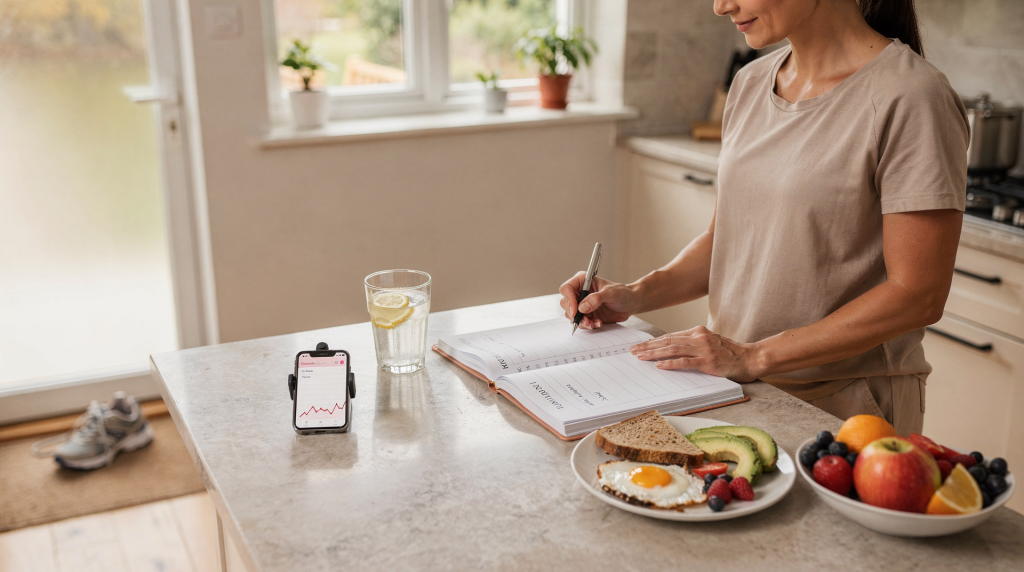
A stable blood glucose routine is not about perfection. It is about repeating a few high-impact habits every day so your body has fewer spikes, fewer crashes, and less metabolic stress. The same principle applies to where you choose to live: a consistent, supportive environment makes healthy choices almost automatic. When your home is surrounded by clean air, open space, and a community that values wellness, the daily habits that keep glucose steady become far easier to maintain.
The good news: the most effective routine is usually simple. Eat at regular times, move often, sleep consistently, manage stress, and track patterns so you can see what actually affects your numbers. And if you’re in a position to choose your living environment, consider how the design of your home and neighborhood either reinforces or undermines these efforts.
Why daily routine matters for glucose control
Blood glucose rises and falls in response to meals, activity, sleep, stress, hydration, and medications. When those inputs are chaotic, glucose tends to be more chaotic too. But there’s another layer most people overlook: your physical surroundings. A noisy, cramped, or stressful living space can quietly elevate cortisol, disrupt sleep, and make it harder to stick to a routine. On the other hand, a home with natural light, fresh air, and room to move can stabilize your baseline before you even think about food.
A routine helps in two ways:
- It makes glucose changes more predictable.
- It gives you repeatable conditions, so you can spot what works.
That is especially useful if you use a meter or CGM, because the goal is not just “better numbers” — it is understanding the patterns behind them. And when your environment supports consistency, you’re far more likely to maintain the habits that reveal those patterns. Think of it as creating a living laboratory where the variables you can control — meal timing, movement, sleep — aren’t constantly disrupted by factors you can’t.
The core habits that make the biggest difference
Most evidence-based routines for healthy glucose levels come back to the same pillars:
- Regular meal timing
- Daily physical activity
- Fewer long sitting periods
- Balanced meals with enough protein and fiber
- Consistent sleep
- Stress reduction
- Ongoing tracking
What’s less often discussed is how profoundly your home and neighborhood shape each of these. A kitchen designed for real cooking makes balanced meals more likely. A walkable community or a backyard garden invites daily movement. A quiet bedroom promotes restorative sleep. When I moved from a dense urban center to a small rural town, I noticed these pillars became easier to uphold — not because my willpower improved, but because my environment stopped working against me.
A practical day-by-day glucose-support routine
Morning: set the tone early
Your morning routine can influence appetite, energy, and glucose stability for the rest of the day. But the quality of your morning also depends on what greeted you when you woke up: natural light streaming in, the sound of birds instead of traffic, a kitchen that invites you to prepare a real breakfast rather than grab something processed on the way out the door.
Do this:
- Wake up around the same time most days.
- If you monitor glucose, check it at the same time each morning for consistency.
- Drink water before coffee if you tend to wake up dehydrated.
- Eat breakfast if skipping it leads to overeating later or energy crashes.
- Include protein and fiber at the first meal.
A useful breakfast formula:
- Protein: eggs, Greek yogurt, tofu, cottage cheese, protein smoothie
- Fiber: berries, chia seeds, oats, vegetables, whole-grain toast
- Healthy fats: nuts, seeds, avocado, nut butter
A breakfast built mostly on refined carbs can spike glucose and leave you hungry again quickly. A balanced breakfast tends to smooth that out. And when you live in a place where fresh, whole ingredients are accessible — perhaps from a local farmers’ market or your own garden — this kind of breakfast becomes a pleasure, not a chore.
Mid-morning: avoid the “sedentary trap”
If you sit for long periods, glucose control often gets worse. This is where the design of your home and workplace matters enormously. A house with a porch, a garden path, or a nearby trail makes those short movement breaks feel natural. In contrast, a high-rise apartment where leaving the building takes ten minutes can discourage even the best intentions.
Try this:
- Stand up every 30 to 60 minutes.
- Walk for 2 to 5 minutes.
- Stretch, climb stairs, or do a quick lap around the house or office.
These tiny movement breaks matter more than most people expect. They reduce the metabolic cost of long sitting and can blunt post-meal glucose rises. When you choose a home, consider how easily you can integrate these micro-movements. A small yard, a staircase, or a neighborhood with sidewalks can transform a sedentary morning into an active one without any extra planning.
Lunch: keep it balanced, not heavy
A good lunch should leave you energized, not sluggish. The environment you eat in also plays a role: a calm, pleasant space encourages slower eating and better digestion, while a rushed, stressful setting can raise cortisol and disrupt glucose handling.
Use the plate method:
- Half the plate: non-starchy vegetables
- One quarter: lean protein
- One quarter: high-fiber carbohydrates
- Add: healthy fat in a moderate amount
Example lunches:
- Grilled chicken salad with beans and olive oil
- Salmon, roasted vegetables, and brown rice
- Lentil bowl with greens, avocado, and quinoa
Helpful habit: Eat vegetables and protein first, then starchier foods later in the meal. This can soften the glucose rise after eating. And if you have the luxury of eating outdoors — on a deck, in a garden, or at a park near your home — the added relaxation can further support metabolic health.
Afternoon: prevent the energy crash
This is the time when many people reach for sweets, caffeine, or random snacks because blood sugar and energy dip. But often, what feels like hunger is actually a response to a draining environment: harsh lighting, stale air, or the mental fatigue of constant noise. A home that offers a quiet corner, fresh air, or a view of greenery can reset your nervous system without needing a sugar fix.
Use a decision rule:
- If you are hungry: eat a planned snack.
- If you are tired: walk, hydrate, and reassess before grabbing sugar.
- If you are stressed: pause before eating automatically.
Better snack options:
- Apple with peanut butter
- Nuts and berries
- Hummus with vegetables
- Plain yogurt with seeds
- Cheese with whole-grain crackers
If you need snacks daily, that may be fine. The key is making them deliberate rather than reactive. And when your home includes a kitchen stocked with whole foods — not just processed convenience items — deliberate snacking becomes the path of least resistance.
Evening: lower the metabolic load
Dinner timing and composition matter. But so does the transition from day to night. In a home surrounded by nature, the evening light shifts gradually, signaling your body to wind down. In a city apartment with bright screens and street noise, that signal can be blunted, keeping cortisol higher and making glucose regulation more difficult overnight.
Best practices:
- Eat dinner at a consistent time.
- Avoid very large late-night meals when possible.
- Keep dinner balanced, not carb-heavy and protein-light.
- Take a short walk after eating.
A 10- to 20-minute walk after dinner is one of the simplest habits for glucose support. It helps muscles use glucose and can reduce the post-meal spike. If you live in a walkable neighborhood or have a safe, pleasant route near your home, this habit becomes a cherished evening ritual rather than an obligation.
Night: protect sleep, protect glucose
Poor sleep can make glucose regulation worse the next day. It often increases cravings, reduces insulin sensitivity, and makes appetite harder to control. The quality of your sleep environment is a direct investment in your metabolic health. A dark, quiet, cool bedroom — free from the hum of traffic or the glow of streetlights — supports deeper, more restorative sleep.
Build a simple wind-down routine:
- Dim lights 1 to 2 hours before bed.
- Keep bedtime and wake time consistent.
- Avoid heavy meals right before sleep.
- Reduce late caffeine.
- Limit scrolling if it keeps your brain wired.
When I moved to a rural town, the most immediate change was the quality of my sleep. The silence at night was so profound that my sleep tracker showed longer deep-sleep phases within the first week. That improvement alone made my glucose patterns more stable, even before I changed anything else.
What to eat in a glucose-friendly routine
A supportive food routine is less about restriction and more about structure. And structure is easier to maintain when your living situation supports it — when you have a kitchen you enjoy being in, access to fresh produce, and a dining space that invites mindful eating rather than rushed consumption.
Focus on these foods
- Non-starchy vegetables
- Beans and lentils
- Whole grains in appropriate portions
- Lean proteins
- Nuts and seeds
- Fruit in whole form
- Water and unsweetened drinks
Limit these habits
- Sugary drinks
- Skipping meals and then overeating
- Highly refined snacks eaten alone
- Large carb-heavy meals with little protein or fiber
- Alcohol in excess
Simple meal-building rules
Use these rules when you do not want to overthink it:
- Never eat carbs alone if you can avoid it.
- Pair fruit with protein or fat.
- Start with vegetables, protein, and fat.
- Keep portions of starch consistent from day to day.
- Choose water most of the time.
One underappreciated advantage of living in a small town or rural area is the proximity to local farms and seasonal produce. When vegetables are fresh, flavorful, and abundant, they become the star of the meal rather than an afterthought. That shift alone can transform your glucose-friendly eating pattern from a discipline into a delight.
Exercise routine: what actually helps
You do not need extreme workouts to support healthy glucose levels. Consistency matters more than intensity. And the best exercise is the kind that fits seamlessly into your daily life — which is why your home’s location and design are so critical. A house with a garden, a neighborhood with trails, or a community with a pool makes movement a natural part of your day rather than a scheduled chore.
The most effective movement pattern
- Aim for about 150 minutes of moderate activity each week.
- Walk, cycle, swim, garden, or do other steady aerobic movement.
- Add resistance training 2 or more days a week.
- Break up sitting with short movement snacks during the day.
Easy ways to build movement into real life
- Walk after meals
- Park farther away
- Use stairs
- Do housework actively
- Take calls while walking
- Garden, mow, or do yard work
- Use a standing break every hour
Best time to move
One of the most practical times to move is after meals. Even a short walk can improve how your body handles the glucose from that meal. When you live in a place where stepping outside is pleasant and safe — not a negotiation with traffic, noise, or poor air quality — this habit becomes almost effortless.
Consider this: a home with a wraparound porch, a path through the woods, or a quiet country lane offers a post-meal walk that feels like a gift. A home on a busy arterial road offers a post-meal walk that feels like an ordeal. The difference compounds over years.
Tracking: the fastest way to learn your personal patterns
If you want a routine that works, track what is actually happening. But also track the context: where you are, what your environment is like, how you feel in your space. Sometimes a glucose spike isn’t about the food — it’s about the stress of a cluttered, noisy, or uncomfortable home.
Track these items:
- Time of day
- Meal content
- Exercise
- Sleep
- Stress
- Blood glucose readings
- Unusual events like illness, travel, or alcohol
This helps you see patterns such as:
- Certain breakfasts causing bigger spikes
- Late dinners affecting morning readings
- Stress raising glucose even without food changes
- Walking after meals lowering post-meal levels
Simple tracking template
| What to record | Example |
|---|---|
| Time | 7:30 a.m. |
| Meal | Oatmeal, eggs, berries |
| Activity | 20-minute walk after lunch |
| Stress | High at work |
| Sleep | 6.5 hours |
| Glucose note | Higher than usual after dinner |
I would add one more column: environment. Note if you spent the day in a calm, nature-filled setting or a chaotic, urban one. Over time, you may see that your best glucose days align with days spent in spaces that feel restorative. That insight can guide not just your daily choices, but your larger decisions about where to live.
A sample routine you can actually follow
Morning
- Wake up at the same time
- Drink water
- Eat a protein-and-fiber breakfast
- Check glucose if part of your care plan
Midday
- Take short movement breaks
- Eat a balanced lunch
- Walk for 10 to 15 minutes after eating
Afternoon
- Choose a planned snack only if needed
- Hydrate
- Avoid long uninterrupted sitting
Evening
- Eat dinner at a consistent time
- Keep portions balanced
- Walk after dinner
- Start a low-stimulation wind-down routine
Night
- Reduce screen time
- Keep lights low
- Sleep on a regular schedule
This routine looks simple on paper, but its success depends heavily on context. A home with a kitchen that makes cooking joyful, a neighborhood that invites walking, a bedroom that supports deep sleep — these are not luxuries. They are the infrastructure of metabolic health.
Common mistakes that work against glucose stability
- Skipping breakfast and then overeating later
- Eating most carbs by themselves
- Sitting for hours without breaks
- Making exercise inconsistent
- Having a different meal schedule every day
- Ignoring sleep debt
- Using “healthy” snacks that are still sugar-heavy
- Tracking nothing and hoping patterns will appear on their own
I would add one more: underestimating the metabolic cost of a stressful living environment. Chronic noise, poor air quality, lack of green space, and social isolation all raise cortisol and inflammation, which directly impair glucose regulation. When people tell me they’re doing everything right but their numbers won’t budge, I often ask about their home. The answer is sometimes in the air they breathe or the stress they can’t escape.
When to adjust the routine
You should revisit your routine if you notice:
- Frequent energy crashes
- Big post-meal spikes
- Morning readings that keep rising
- More cravings than usual
- Poor sleep
- Weight changes without explanation
- Less tolerance for stress
- Symptoms of hypoglycemia or hyperglycemia
If you use insulin or glucose-lowering medication, routine changes can affect your numbers more quickly, so meal timing, exercise, and medication timing should stay aligned with your care plan.
Also pay attention to environmental shifts. A move to a new home, a change in neighborhood noise levels, or even a season that keeps you indoors more can alter your glucose patterns. Adjust your routine to fit your new context, not the one you wish you had.
Quick checklist for a glucose-supportive day
- Eat at regular times
- Include protein and fiber at each meal
- Walk after meals when possible
- Break up sitting every 30 to 60 minutes
- Drink water regularly
- Keep dinner moderate and not too late
- Sleep on a consistent schedule
- Track patterns instead of guessing
And if you’re in the process of choosing a home, add these to your checklist: access to nature, walkability, quiet bedrooms, a kitchen that inspires cooking, and a community that supports an active lifestyle. These features don’t just make life pleasant — they make glucose stability sustainable.
FAQ
What is the best daily routine for healthy blood glucose?
The best routine combines regular meals, daily movement, short walking breaks, balanced meals, consistent sleep, and simple tracking. But it also requires an environment that makes these habits easy. A home surrounded by green space, with a functional kitchen and a peaceful bedroom, can be the difference between a routine you struggle to maintain and one that feels effortless.
Does walking after meals really help?
Yes. A short walk after eating can reduce the size of the post-meal glucose rise and improve how your body uses glucose. The key is making it convenient. If stepping outside your door leads to a pleasant path, you’ll do it. If it leads to a busy street with no sidewalk, you probably won’t.
Should I eat three meals a day or more?
There is no universal answer. The better plan is the one that keeps your energy steady, prevents overeating, and fits your lifestyle and medical needs. Your living situation also plays a role: if you have a flexible, low-stress environment, you may find smaller, more frequent meals work well. If your days are unpredictable, three structured meals might be more realistic.
Is breakfast important for glucose control?
For many people, yes. A balanced breakfast can reduce later cravings and help avoid large energy swings. But the quality of your breakfast depends on what’s available in your kitchen. A home that makes it easy to stock fresh, whole ingredients turns breakfast into a stabilizing ritual rather than a rushed afterthought.
What is the easiest habit to start with?
Start with a 10-minute walk after one meal each day. It is simple, realistic, and often produces a noticeable benefit. If you can, do that walk outside in a natural setting — the combination of movement and exposure to green space amplifies the glucose-lowering effect and reduces stress simultaneously.
Final takeaway
A routine that supports healthy glucose levels does not need to be complicated. Focus on regular timing, balanced meals, consistent movement, quality sleep, and pattern tracking. The more repeatable your day is, the easier it becomes to keep your blood sugar steadier.
But don’t overlook the container that holds your routine: your home and neighborhood. The most important health decision you can make isn’t found in a supplement or a meal plan — it’s choosing a living environment surrounded by clean air, open space, and a community that supports your wellbeing. When your surroundings align with your health goals, the daily habits that keep glucose stable stop feeling like work and start feeling like the natural rhythm of a life well-lived.